19 possibili segnali di cancro: quando consultare un medico

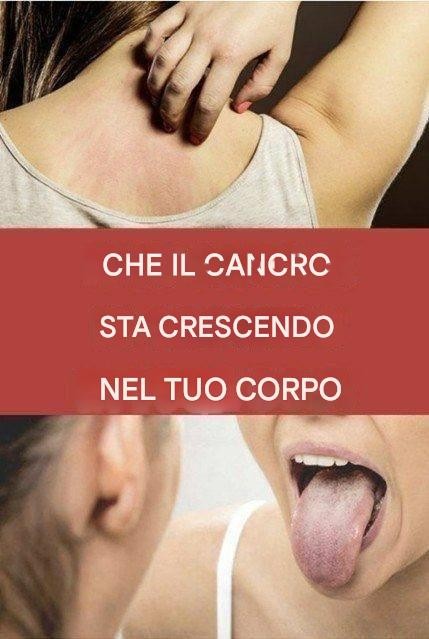
La verità è:
La diagnosi precoce salva la vita umana.
E tu sei la tua prima linea di difesa.
Se un sintomo è nuovo, inspiegabile e dura più di qualche settimana, è il momento di parlarne con il medico.
🔍 19 possibili segnali di cancro che non dovresti mai ignorare
1. Perdita di peso inspiegabile
Perdere più di 10 chili senza provarci
Spesso collegato a tumori del pancreas, dello stomaco, dell'esofago o dei polmoni
2. Febbre che non passa
Soprattutto di notte
Can be a sign of blood cancers like leukemia or lymphoma
3. Extreme Fatigue
Not relieved by rest
Different from normal tiredness — feels deep and constant
4. Persistent Pain
Pain that doesn’t go away and isn’t linked to injury
Could signal bone, testicular, or brain cancer
5. Skin Changes
A new mole or one that changes in size, shape, or color
Yellow skin (jaundice) — can indicate liver or pancreatic cancer
Sores that don’t heal
6. Changes in Bowel or Bladder Habits
Diarrhea, constipation, or blood in stool that lasts
Pain or burning with urination
Frequent urination — especially at night
7. Sores That Don’t Heal
Mouth sores, skin ulcers, or cuts that won’t close
Can be a sign of oral, skin, or other cancers
8. White Patches in the Mouth (Leukoplakia)
Thick, white patches on the tongue or inside cheeks
Can be precancerous — especially in tobacco users
9. Unusual Bleeding or Discharge
Blood in stool, urine, or sputum
Vaginal bleeding after menopause
Bloody nipple discharge
10. Lumps or Thickening in the Body
Breast, testicle, lymph nodes, or soft tissue lumps
New or growing masses — even if painless
11. Difficulty Swallowing
Feels like food is “stuck”
Can be a sign of esophageal or throat cancer
12. Indigestion or Trouble Digesting
Persistent heartburn or stomach pain
Especially if new and not helped by antacids
13. Cough or Hoarseness That Won’t Go Away
A cough lasting more than 3 weeks
Hoarseness for over 2 weeks — could be thyroid or lung cancer
14. Shortness of Breath or Wheezing
Especially if not related to asthma or allergies
Can be a sign of lung cancer or fluid buildup
15. Nagging Back or Pelvic Pain
Unexplained pain in the lower back or pelvis
Can be linked to ovarian, pancreatic, or kidney cancer
16. Night Sweats
Drenching sweats not due to heat or menopause
Common in lymphoma and other blood cancers
17. Changes in a Mole or Skin Spot
Asymmetry, irregular borders, color variation, or diameter larger than 6mm
The ABCDE rule of melanoma
18. Frequent Infections
Recurrent infections that don’t respond to treatment
Can indicate weakened immunity — sometimes due to blood cancers
19. Swollen Lymph Nodes
Lumps in the neck, armpits, or groin that don’t go away
Can be a sign of lymphoma or metastatic cancer
🛡️ Who’s at Higher Risk?
While anyone can get cancer, certain factors increase your risk:
✅
Smoking
#1 cause of lung and many other cancers
✅
Family history
Genetic predisposition (e.g., BRCA genes)
✅
Age over 50
Most cancers occur in older adults
✅
UV exposure
Skin cancer risk from sun or tanning beds
✅
Obesity
Linked to 13+ types of cancer
✅
Chronic inflammation
IBD, hepatitis, HPV — increase risk
✅
Alcohol use
Aumenta il rischio di cancro al seno, al fegato e all'esofago
✅ Se sei ad alto rischio, resta vigile e segui le linee guida per lo screening.
🏥 Quando consultare un medico
Niente panico, ma agisci se riscontri:
✅ Un sintomo che dura
più di 2-3 settimane
Prenota un controllo
✅
Cambiamenti inspiegabili
nel tuo corpo
Non dare per scontato che non sia "niente"
✅
Sintomi multipli
insieme
Potrebbe indicare un problema sistemico
✅
Storia del cancro
o una forte storia familiare
Informa il tuo medico: potrebbe essere necessaria una valutazione più precoce
Diagnosi precoce = risultati migliori.
Per molti tumori, il tasso di sopravvivenza a 5 anni supera il 90% se diagnosticato precocemente.
💬 Considerazioni finali: il tuo corpo parla. Lo stai ascoltando?
Ignoriamo i sintomi.
Diamo la colpa all'invecchiamento.
Diciamo: "Passerà".
Ma a volte la differenza tra "Sto bene" e "Ho bisogno di aiuto"...
Non è nel dolore.
È nella consapevolezza.
Quindi se qualcosa non ti convince...
Se un sintomo non scompare...
Se sei preoccupato…
Consultare un medico.
Non domani.
Non la prossima settimana.
Ora.
Perché a volte la medicina migliore non è una pillola.
È una conversazione.
E una volta che inizi ad ascoltare il tuo corpo?
potresti salvarti la vita
Per continuare a leggere, clicca su ( SUCCESSIVA 》) qui sotto!